
Overcoating render and pebbledash
Rendering Over Existing Render
Overcoating sound existing render can be a practical, cost-effective way to transform a house. But it only works if the surface underneath is genuinely suitable, and that can only be decided by looking closely at the walls.
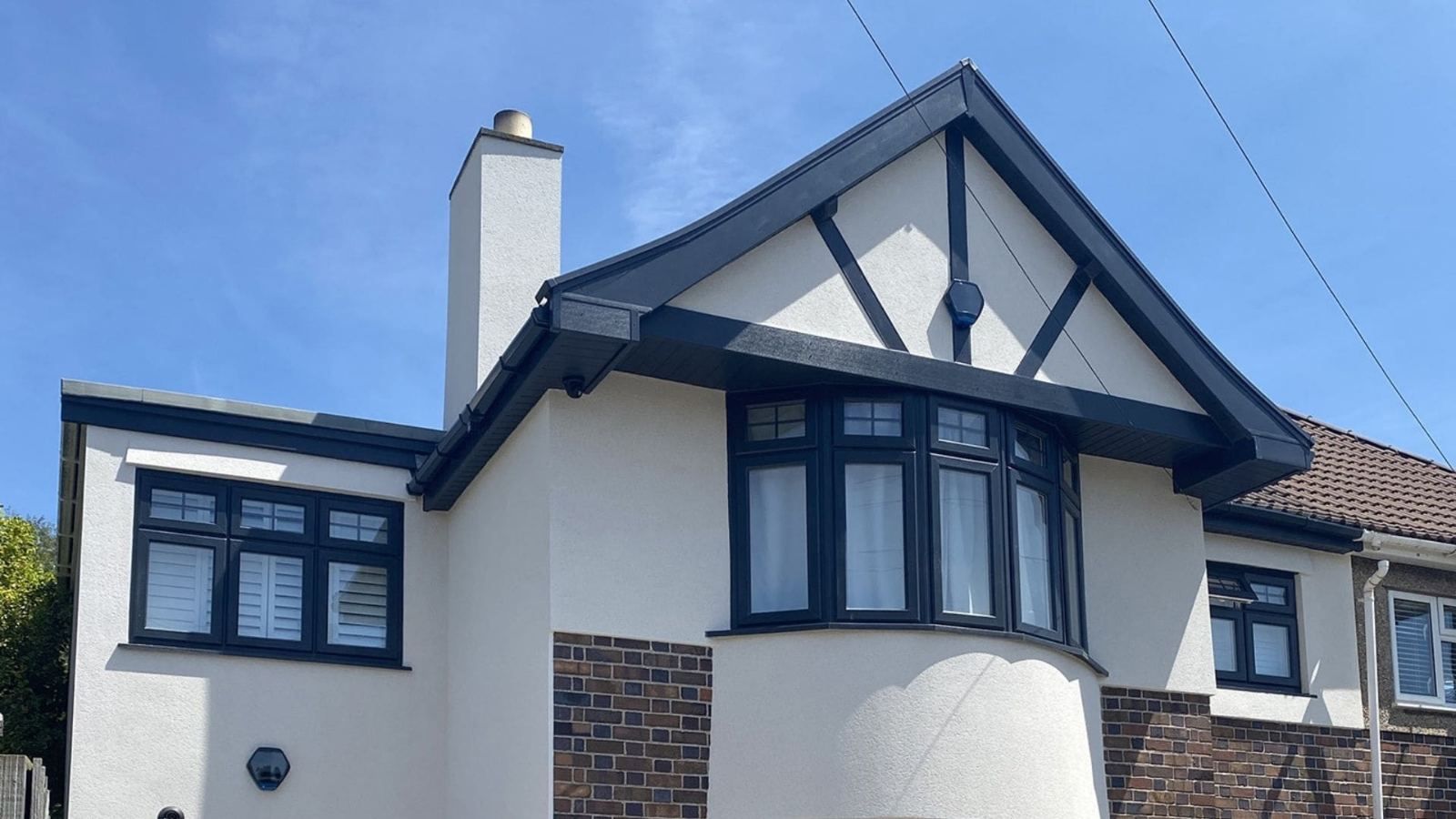
Can you render over existing render?
Often, yes, and many render systems are designed to be applied over suitable existing render once it has been properly prepared. Overcoating avoids the time, mess and cost of stripping the walls, and gives the house a completely new look.
The catch is the word "suitable". New render is only as good as what it's bonded to. Put a new system over render that's hollow or failing, and the problems come straight back through.
When overcoating may be suitable
- The existing render is well bonded, with no significant hollow areas
- Cracking is limited to fine surface crazing that can be treated
- There's no ongoing damp problem behind the render
- Any paint or coating can be dealt with in a way that's compatible with the new system
- Detailing at the base, around openings and at the roofline can be resolved with the extra thickness
When removal is usually the better option
- Large areas sound hollow or are visibly bulging
- Structural or repeated cracking
- Render bridging the damp-proof course or sitting on the ground
- Signs of moisture trapped behind the render
- Multiple layers of old repairs and coatings
In those cases, we'd normally recommend render removal and replacement. Sometimes the answer is a mix: removing failed sections and overcoating the sound areas once they've been made good.
What about pebbledash?
Pebbledash can sometimes be overcoated when it's sound, typically after preparation and with a suitable basecoat and mesh to create an even surface. If the dash is loose or the render behind it is hollow, removal is usually needed. It's one of the most common questions we're asked, and the honest answer is always "it depends on your walls".
How we assess your existing surface
- Tap testing across the elevations to find hollow or debonded areas.
- Looking at cracking: where it is, how wide, and whether it suggests movement.
- Checking the base of the walls, the damp-proof course and ground levels.
- Identifying existing coatings such as paint or sealers that could affect adhesion.
- Checking details such as window reveals, sills, eaves and junctions with other materials.
We'll tell you plainly if we don't think overcoating is right for your house, even when it would be the cheaper quote.
FAQs
Existing render questions
How do you know if old render needs removing?
We look for hollow-sounding areas, cracking, bulging, damp patches, render that's breaking away at the base or around openings, and coatings that aren't compatible with the new system. Small sound areas might be repaired; widespread problems usually mean removal is the better long-term choice.
Is it messy to remove render?
Removing render is noisy and dusty, so we plan it carefully: protecting windows, doors and the ground, keeping waste contained and clearing up as we go.
Related pages
Not sure if your render can be overcoated?
Send us a few photos and your postcode. We'll arrange a visit and give you a clear, written quote.